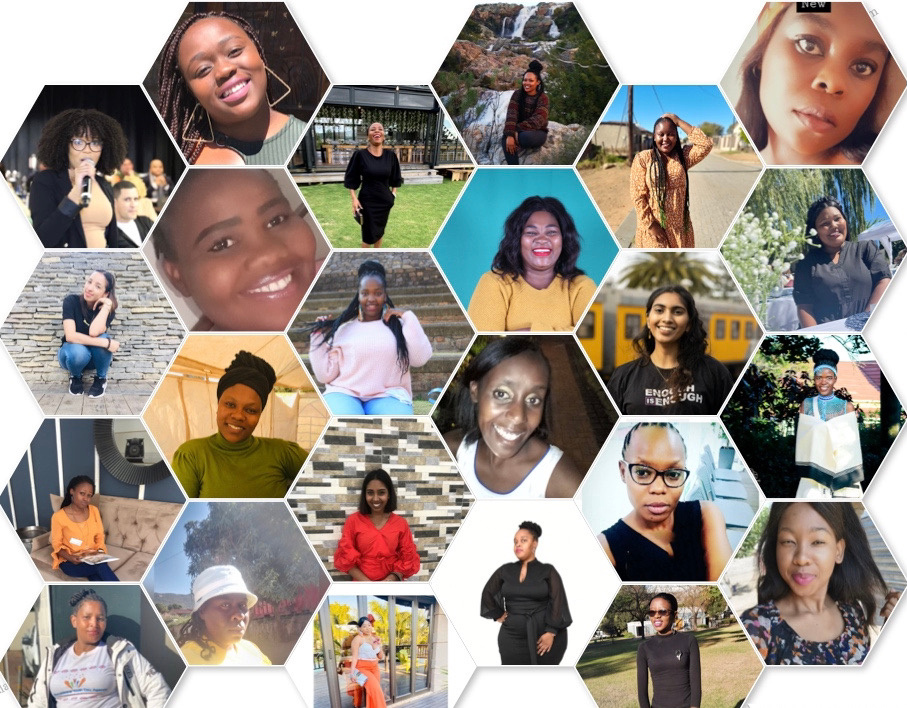
A collection of reflections, experiences and thoughts. The NYRI Ambassadors present to you an overview of the network during Women’s Month 2021.
May this bring you joy, provoke thoughtful thinking and inspire women from all walks of life!
Women’s Month Edition: Activities and Reflections
Read all about the incredible women connected by our network were up to during August 2021
SPECIAL THANKS TO:
OUR EDITORS:
- Fatima Hoosain
- Palesaentle Ramonyalioa
- Matome Aphane
- Thandokazi Maguga
Our ambassadors & our sponsors
Women’s day – past and present
By Fatima Hoosain, Western Cape
Women’s day, Empowerment, Racism, apartheid.
Every year Women’s Day rolls around and we celebrate a short break from our busy lifestyles. Hustling and working hard to create a future for ourselves that we can sit comfortably in and look at ourselves in the mirror and say, “yes, I’ve earned this. I have worked so hard.” In our perseverance on our journey to the future it is essential for us to remember what came before us, to remember who came before us, and the hard work and strife they went through to build a foundation for us to thrive. My wish for the future of women in South Africa is simple yet evidently needed. Keeping in mind the strength of womanhood, I wish for every female in South Africa to be able to wake up every morning knowing that they are safe. The strong women that came before us marched for our freedom, to be able to walk the streets of our country without needing anyone’s permission.
Their fight was to lay claim back onto our autonomy as women of colour despite their victory. Can we say that black women are free? 65 years later, black women of South Africa continue to be shackled, no longer by the threads of a piece of paper, dictated by the white man but instead have to face the risk of being battered, abused and killed by their own. The resilience of women will shine through, as it has done before and as it will continue to do as time passes and humanity evolves.
““When I dare to be powerful- To use my strength in the service of my vision, then it becomes less and less important whether I am afraid.”
-Audre Lorde”
AMBASSADORS CORNER
Giz Round table-talk
By Matome Aphane, Mpumalanga
GIZ is one of the main partners of NYRI and conducted a round table discussion with Ambassadors in making them understand the role of GIZ in the National Youth Resilience Initiative. One of the attendees was Nonhlanhla Madalane, Mpumalanga Province NYRI Ambassador. Matome Aphane had a conversation with her and she shared her reflections.
On 20 August 2021, I attended a Round Table with GIZ. What I enjoyed the most about the session is, it was informative and well structured. Ms. Dambisa’s presentation was well presented and understandable.
The session brought clarity on what is expected of us, what initiative aims to achieve and the future of the first cohort which is us. The presentation also taught me the framework that develops to give theoretical grounding of youth resilience in South Africa, the research will also inform the development of an Amplifier program that will be continued by ambassadors throughout and beyond. I am so glad that after our cohort ends, we won’t be forgotten, which is rare. The organizations intend to equip youth with skills then abandon them. One thing I like and enjoy about this initiative, Ambassadors are given a platform to be policy makers of this initiative. The GIZ round table discussion was a great platform of learning, brainstorming ideas and expressing concerns.
Let’s Talk about sex
By Thandokazi Maguga, Western Cape
Healthcare, sexual education, hiv
“My passion is driven by my late experience. A lot of what I do I borrow from what I went through and have conversations with other people about what they went through and shape a better world to create better experiences.” Thato Mphuthi – Reproductive & sexual health advocate.
What are you currently doing within the health sector?
I am working in the space of sexual reproductive and sexual health. I educate young women and recently young men about sexual reproductive health, how to access sexual reproductive services, how they can access contraceptives, termination of pregnancy services and menstrual management. It is done through workshops whereby we have unplugged, unfiltered conversations. The whole aim is to get young women comfortable first with their bodies because I believe that if you’re comfortable in your own body you are able to make informed decisions, part of the education includes how to negotiate safe sex with your partner, I find that there’s still people who don’t know how to negotiate safe sex which then and they are then exposed to diseases like HIV, std’s. the education covers an increase in HIV infections and we also look at things like prevention of HIV where you are doing prep a bit fashionable because as much as prep is pre-exposure preflexes to prevent the HIV virus, there’s still a bit of stigma around because it is an ARV of some sort.
What drives your passion for health and is this important for you?
My passion is driven by my late experience. A lot of what I do I borrow from what I went through and have conversations with other people about what they went through and shape a better world to create better experiences. It is important to me because I always look at it like getting justice for my younger self who was discriminated against and did not have anyone to lean to for support and as a result it continues to shape how I show up in the work that I do and show up in dismantling barriers to access health care services specifically to reproductive health services for adolescent girls, young women and adolescent boys.
If you could be given an opportunity to change anything in the health sector what would it be and how would you change it?
We do know and understand adolescent girls and young women continue to have prevalent HIV and STD’s and how I can change that is by having a system that will cater for our needs. Have an implementation of youth friendly services where young women and girls just walk in to access to contraceptives, get prep, condoms and whatever health zone can offer to sensitizing nurses, staff in such a way that they make the experience of young women be memorable so that they are able to get more young people come through and make use of the facilities because we do see a decline in a number of young people who are using or accessing the services, that would be my one thing I would change to create a space that allows women in their diversity whether they’re young, disabled, it shouldn’t matter.

What made you do the work you are doing?
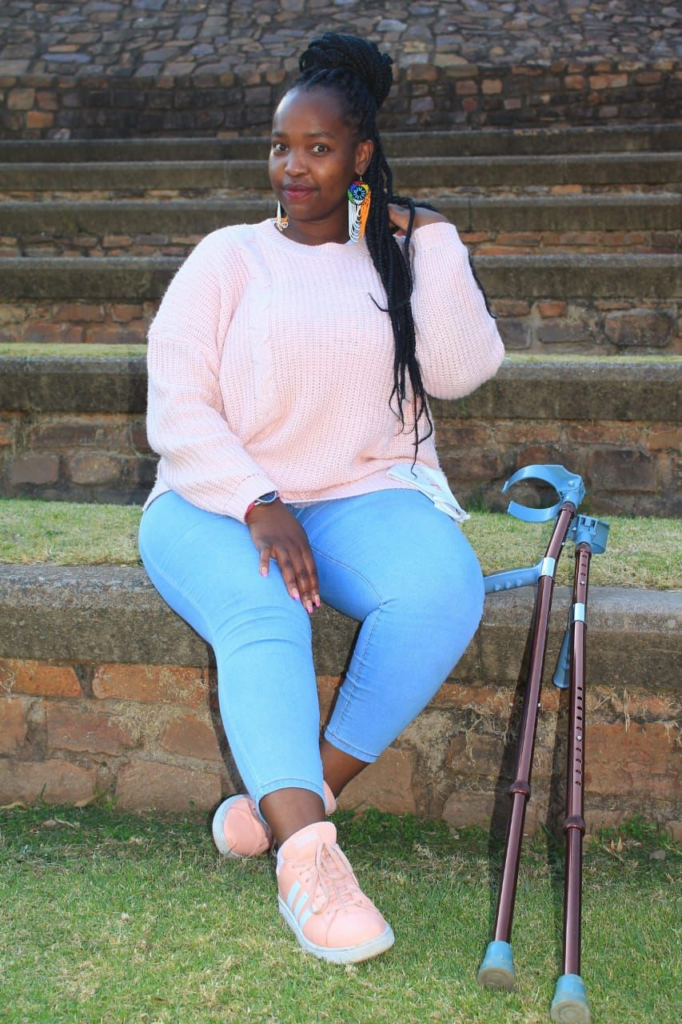
I grew up in a household that was a bit hectic at home. We didn’t have the menstruation talk to say now you’re transitioning. We never had such talks about my development as a young woman. It came with a lot of fear to say if you play with a boy you’re going to fall pregnant. It was one of those horrific stories. Obviously when you start your period it means you are at a stage where you’re most likely to not start to having sex which is likely not true and you would be taken to the clinic to get contraceptives, at that time it’s not even consensual, like its known thing you’re taken to prevent, whether you’re having sex or not. My biggest challenge with it was that it was not communicated in a nice way, so I continued to take contraceptives and would be taken by my mother or aunt, what then happened is I think my mother realised that I didn’t needed contraceptive because I was a late bloomer in everything especially to dating and sex, she decided I should stop getting contraceptives while the other girls continued. So now I got to the age where I was older and I wouldn’t be asked to get contraceptive. I went to a healthcare facility and what happened was I got the most horrific treatment because I remember one of the nurses was asking what do I want there due to my disability so because I am disabled she thought I shouldn’t be there getting the services, it was very insensitive the environment was enabling for me as a young person to be in that room. Number one when you enter that space you’re being made to feel uncomfortable because they are not disabled, I ended up not getting contraceptives for those reasons and as I grew older I realised that and I had always had it in me that I didn’t have that person who could teach me about fighting to get what’s rightfully mine, that is a basic human right, so that is what inspired me to do the work, I made it a point that since there was no one for me to capacitate me to give me that confidence to give me that understanding why I am taking contraceptives. I am going to be that person for other children so that they don’t have to experience what I experienced. I think if young women are not empowered to that degree they don’t then fall prey to anything.
What message do you have for our health system and for people with disabilities who want to access these services?
- To the health care providers your ablest believes continues to create barriers for people with disabilities to get access to services, recognize people with disabilities as human beings because that’s what you are and not focus on person’s condition and just because the disability is physical does not then mean you need to undermine that person, they deserve quality service, so its imperative that you offer quality service because that is a basic human right to access this reproductive services with no judgement because if you continue with judgement then you are putting young people not only young people with disabilities at risk for going to back street abortions for having unplanned pregnancy. The attitude needs to change in that space so that we try to curb the spread of HIV to make sure we don’t have young people who are falling pregnant.
- For young people with disabilities it’s imperative that you need to trust your voice and you should be able to speak out to any injustice you are facing, speak out and do not shy away from speaking out. Reported people who are discriminating against the basis of your disability could reach out and help you track your complaint.
An hiv free generation
By Palesaentle Ramonyalioa, Free State
Healthcare, sexual education, hiv.
Lungisile Kweyama was born in Kwazulu-Natal, early on in her life she knew she wanted better things for herself although she didn’t know what it looked like, growing up in an impoverished background which has encouraged her to want more and better for herself.
She grew up in a good home and going to school was something that was highly encouraged in her home, ‘’both my parents are illiterate so they never had the opportunity to go to school hence they believed so much that education is something important and it can push you forward, so that placed me in spaces that I’ve been privileged to be in.’’ says Lungisile. After completing her matric she furthered her studies and got interested in HIV work because of the plight of HIV rate in KZN, it’s something that is close to her heart she has dedicated most of her life doing work around HIV mostly in peer education space and it has had a great impact and that is what she lives for, leaving a meaningful impact to others. She works with Wafunda, a social enterprise which was birthed by the Feenix project which provides funding to university students a project birthed by fees must fall movement. Her role is student coordinator, offering financial solutions to students and still involved within the HIV space with MTV Shuga, a television drama series that promotes a free HIV generation, healthy sexual life.
What are the guiding principles in your life?
I jotted down four of my core principles that have grounded me so far, 1.Responsibility – is very important for me, taking responsibility for your life the decisions you make, often enough within circumstances that are not great we tend to blame parents that they didn’t do enough, I have witnessed this in our black culture that it is easy to blame other people for our misfortunes but there comes an age where you have to take responsibility for your own life, where you have to take charge of your life be responsible and make better choices, also being responsible for every decision in my life. 2.Personal Development – I strongly believe in developing one’s Self in every opportunity you get you need to develop self, this is a grounding principles for me and some of my friends used to laugh at me when I say I cannot spend 12 months without learning something new, there’s something new that I have to learn about myself, acquire a new skill. I believe personal development is important because if we don’t develop ourselves we cannot move forward or even move our country forward. 3.Kindness – I must truly say this was not necessarily a strong principle while growing up, I’m a very reflective person so every now and then I look back to what happened then and the decisions I made then, what is happening now and what can I do better to move forward as a person. As I’m growing, transforming, navigating life and meeting new people, kindness is very important. I believe in kindness. 4.Empathy – this has been grounded mostly by the HIV work that I do. Empathy has helped me to be kinder, be more understanding, to take people as people not as their experiences’’
What can we do right now to start creating what we want?
‘’We need to just start, that is the simplest thing, you just need to start. Just do whatever that you want to do just do it, if it doesn’t work out it’s fine but you would have learned something , you would know that I shouldn’t have used that approach I should’ve done this and then you can start again. Stop procrastinating because no amount of books or motivation videos are going to tell you any different, you just need to start.’’
What are some of the ways/structure you have that support youth?
‘’Listening. Listening is a very important tool which I think we take for granted, especially in the developmental space, rural development, community development they think of structures as in put in place but for me one of the most powerful structures you can put in place is listening and creating a safe environment for people to share and be themselves.’’
How do you plan to equip future change makers?
‘’I think young people are more than capable to equip themselves it’s just a matter of being supported, as a young person when you know who you are then nothing can stop you, when you know yourself what you want out of life even if you don’t have clear picture that one day I want to be a mayor or one day I want to be a president, but if you know you want to do something with your life you’re already driven and you would do whatever it takes to that something amazing, whatever it might look like. Yes I believe young people are equipped is it just a matter of providing support and encouragement. Sometimes you see people in amazing spaces and they don’t bring much, they don’t bring transformation because of they lack who you are part of it, being socially aware, self-aware it starts there for me.’’
What is required for the important work of social change, what succeeds and what fails?
‘’The sense of community and unity is very important also the family structure, we see a lot of issues that we currently facing as a country stem from the distorted family structure and what I mean by that is, in a traditional home setting you would have a mother and father, kids and grandparents. How it is now has been completely destroyed hence we have all this issues that we have such as GBV, drug use, high rate of pregnancy because the family structure has been destroyed there’s no sense of belonging there’s no sense of rules that you need to live by as a person or young person and when you look outside there’s no community, within communities you’d find everyone pulling in different directions, you still don’t feel like you belong in that community, that is where a lot of things would go wrong. For instance the issue of gangsterism in some parts of the country stems from lack of family structure and sense of belonging hence the young boys will feel like they belong within the gangs so the gangs becomes like their family and I really don’t blame them, because parents failed to parent, we are in this mess we find ourselves in because family structures are not there, we go out to look for things that families should provide hence the issues we are facing.’’
Inkciyo eastern cape project
By Fatima Hoosain, Western Cape
Healthcare, Sexual education, teen pregnancy
Encouraging healthy Sexual Education amongst is what propelled Nasizo to take a stand through Inkciyo Eastern Cape Project
Nasizo was born in Xhorha under Mbhashe Municipality on the 14th April 1995. She is the third child out of five siblings raised by her single mother Nomzi Mndende and his grandfather. She did her matric in Elliotdale Tech and later graduated from the University of Fort Hare with Honours degree in Social Work. In 2015 she founded Bomvane Youth Foundation with the help of other young people; they provide mentorship and guidance to young learners who need help and also aim to tackle social issues faced by young people in our communities.
To contribute to this project Nasizo can be reached on her number 0763893218  or via email qhakazanolali@gmail.com.
Readers may also check out their Facebook page Inkciyo Eastern
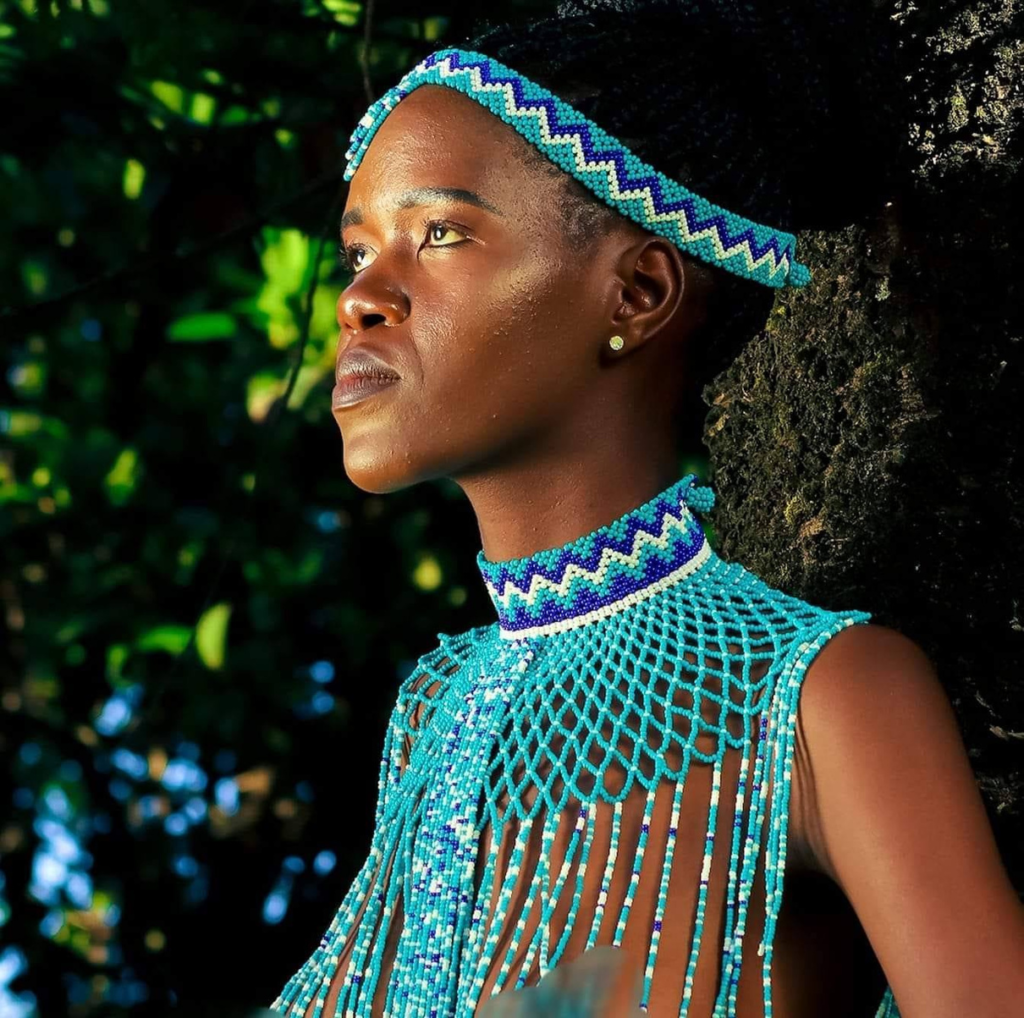
We spoke to Nasizo about her current project which is aimed at encouraging and spreading more knowledge on sexual education. The Inkciyo Eastern Cape Project is a mentorship program for young children and teens across the province which was inspired by the rising numbers in teen pregnancies. With the use of arts, culture and craft, abstinence, the project’s main principle is encouraged and taught which is believed to not only decrease teenage pregnancies but also touch on social,economic and psychological issues the community faces. The goal of this initiative is to reach as many parts of the province of Eastern Cape as possible, focusing on disadvantaged areas where awareness is needed as well as a space for young voices to be heard. The initiative’s biggest projects are two annual camps, with 250 attendees. Cape.
The challenge the project currently faces is lack of funding for logistics, ie. transport, accommodation, food, etc. “This initiative is so important to me because it is about the young people of my province , and through the initiative we are able to show our diversity in the Eastern cape and I am doing what I love and what I believe in . So for me, engaging with young people who will contribute in building our nation in the future is fulfilling.” says Nasizo around the importance of this project.
What does your normal day look like?
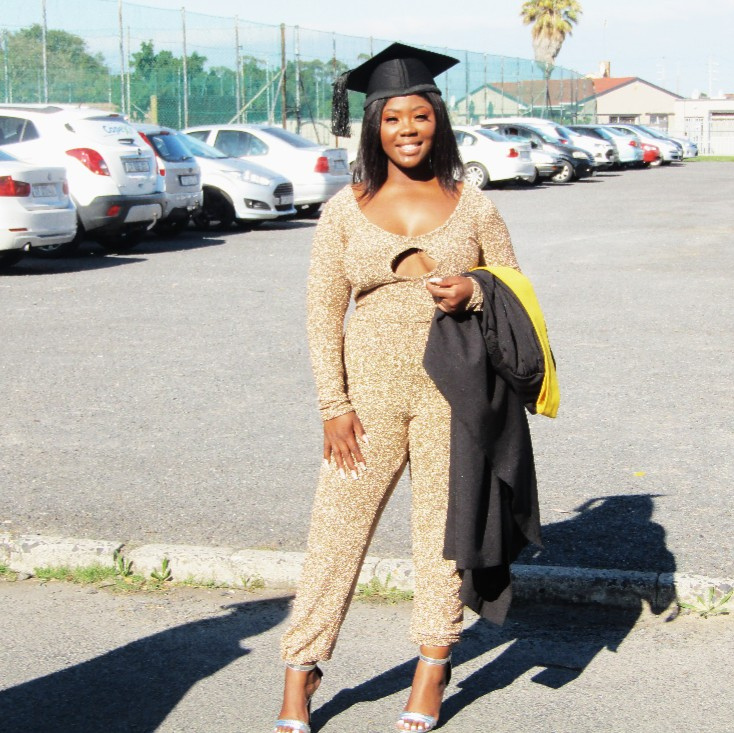
Dimpho Mokhachane was born and raised in Cape Town, founder of an organization called Shalom Haven, a graduate in Educare. My morning routine is I wake in the morning say my morning prayer, while I make myself a cup of tea do some affirmations for the day I then check on my dairy what meetings I have if I don’t have any meetings, I would then prepare my sessions with the girls I work with in the organization after the sessions I would then go to work, I work part- time for financial stability on the side.
How do you move forward when everyone is telling you that your dreams are invalid?
I try my utmost best to not let such negativity come over me because I always remind myself of why am doing this my end goal, so I try my utmost best to not focus on negative things is to focus on my dreams and I always tell myself that no one can tell me that my dreams are invalid, they’ve never been in my shoes or know what my end goal is.
How did you reach your level of success? What is the most extreme challenge you have ever faced?
I would say believing in myself and always putting in the extra work made it easy for me to be able to reach so much success at school. I put in the work because I know what I wanted, even with the organization I always put in the work, I knew what I wanted. Telling yourself no matter what happens that this is what you are going to do, you’ll pull through and believe in yourself in whatever you do and believe in your potential always going over and above, I also believe that women are also taking up spaces in male dominated spaces. I would say difficulties are finances we’re not getting any support however we pull through as much as we can. We try as best to get help here and there, so for me it would be finances at this point.
A safe haven for the mind and soul
By Thandokazi Magugu, Western Cape
Meet Dimpho Mokhachane the founder of Shalom Safe Haven that focuses on mental health issues affecting kids on school level in Gugulethu.
Community, Mental health, education
How did you get to choose this career? How did you choose to do Educare & working with children that are suffering from mental health issues?
I’ve always have a soft spot for children and I’ve always wanted to work with children, when I did my research I realised that the pre- school/ educare centres are not up to standard as they are in urban areas hence I decided to take Educare so I can perhaps I can practice a different approach or culture to bettering the educare/pre-schools, primary education is very important for child’s upbringing. With Shalom Haven it has always been a wish of mine that a programme of this nature would arise however there were no such initiatives back then so children had to bottle things up hence the suicide rate was very high with that being sais because of the upbringing I had there was physical, emotional & sexual abuse. I wanted a safe space where children are able to talk about issues that affect them or to make it a new norm of unpacking mental health, anxiety & depression issues so children are able to deal. Children are able to talk about their emotions without being scared to have a safe haven where children are able to be themselves, where they’re being groomed in terms of confidence, loving themselves anything that has got to do with them for children to be heard, we listen more than we educate & I think that’s what the world needs hence I started Shalom Haven.
What advice would you give to young women who aspire to be where you are today?
All I can do is believe in yourself, love yourself, dream as much as you want to or as big as you want. Don’t allow anyone you can’t do it, don’t allow them to dim your light.
If you could meet up with your 13 year old self, what would you say to her?
I would tell her I know it wasn’t easy but it was worth it the experience I had while growing up. I didn’t understand it at that moment but God knew there’s bigger plans He had for me and we pulled through.
A Change makers guide to saving the world.
By Palesaentle Ramonyalioa, Free State
Nkateko is a vibrant young Female Activist Who’s passionate about community upliftment, job creation & education
Community, education, emporwerment.
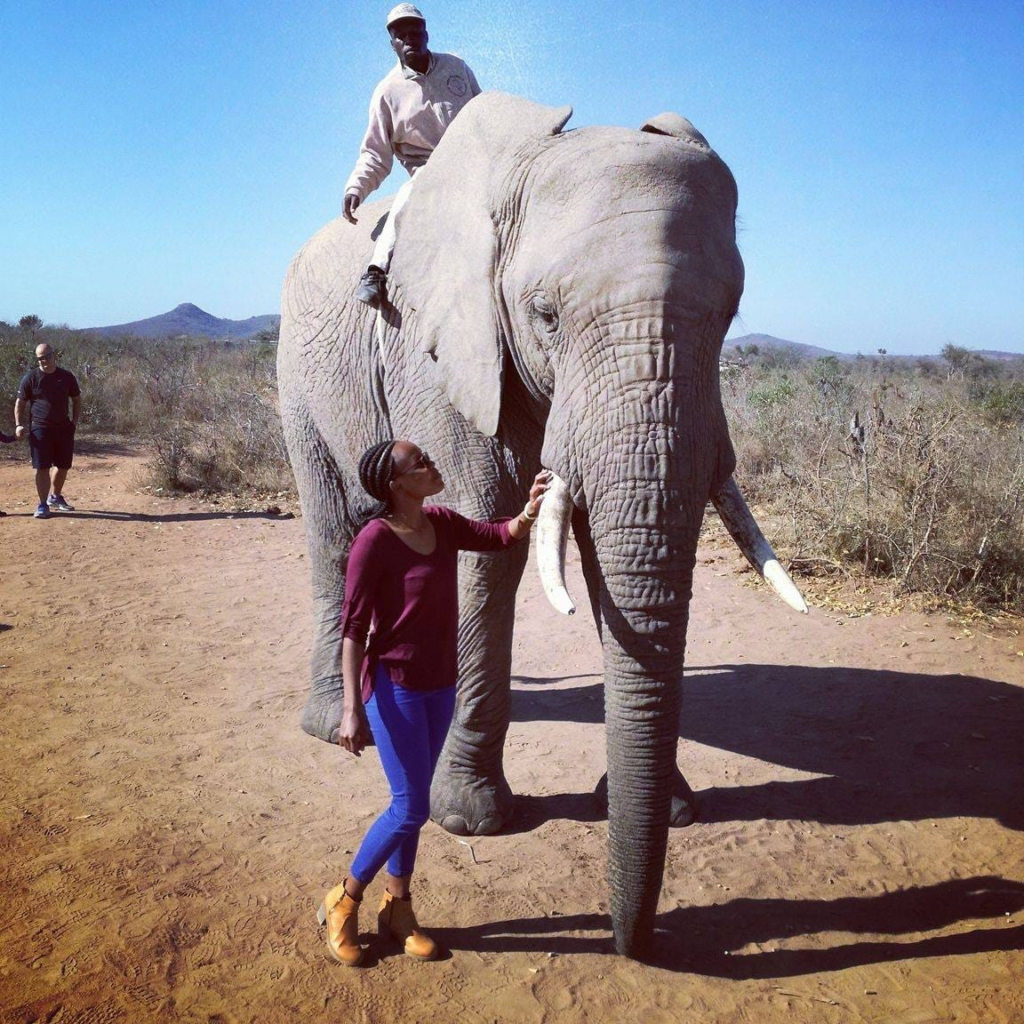
Nkateko Silinda currently resides at Kamasetso River Village, Bushbuckridge in Mpumalanga Province. She has a Bachelor’s Degree in Humanities from the University of Johannesburg, she is currently studying for a Degree in Environmental Management with the University of South Africa. She works for Wits house Consortium where she does case studies of rural areas.
What is required for the important work of social change, what succeeds and what fails?
‘’What is succeeding is that companies are reaching out, company cultures are changing, government culture is changing they are communicating more expediently and the only failure is we the Youth are still stuck on that mentality that there’s so much corruption there’s nothing we can do however there’s something we can do now that they are giving us information we can hold them accountable from their annual reports from the policies they have, it is so transparent that we have the standing ground to go ask certain municipal offices why they’re not meeting targets and they are abound to respond, their contract bound them, they are civil servants. I think the failure is we don’t know our own power and the success is that corporate culture, public culture is changing to benefit everyone.’’
What drives Nkateko?
‘’ you know I was speaking to someone the other day and I learned something powerful, he said that nothing is constant in life so currently we’ve got this different variants they saying that are changing and rotating every day but when you look at everything around, everything is rotating there’s nothing special about covid rotating because this day is not the same as yesterday so that’s what drives me, knowing everyday changes makes me happy that tomorrow will not be same as yesterday.’’
What are the guiding principles in your life?
‘’I believe that if you put in the effort the outcomes are bound to come, everything will realign with everything else and you will be able to meet whatever dream you want to fulfil’’
What are some of the ways/structure you have that support youth?
‘’currently we creating Whatsapp groups where we can share information and know what the others are doing and also keeping tabs of Youth activities happening around in terms of applying for jobs, how to apply for jobs and ensuring that we are reaching out to companies asking them why are they not hiring the Youth, that is what we are currently doing as structures we have that support the Youth’’
What can we do right now to start creating what we want?
‘’ I have been posting on our NYRI whatsapp group that we need to start creating formal database of everyone or all people we intending on assisting, you cannot assist who you do not know, you can’t assist numbers that you don’t have I have been encouraging that we create Whatsapp groups where the Youth list themselves and what they do, we meet up with other people from our municipality you get those lists, from the local municipality you move to provincial lists then from there we get national lists and we are going somewhere if we are working collectively with one aim. I don’t think current statistics are accurate regarding youth unemployment, I think it is up to us as the Youth we need to take control of what’s happening, if we have our own database to compare with Statistics SA and see if they speak to each other’’
What challenges do you face as a leader who is driving transformational change?
‘’Thank you for asking that question as activists we are targeted by gate keepers people who don’t want change in the place, so the other day I sent an email to a very big public organisation asking them that they’re saying they are giving rural areas person a job, those people don’t apply that, they don’t even know who they’re hiring are so they fear for their jobs because they know those people are not ethical, they start targeting you and they can even kill you, life of an activist is very scary for me as well as for my family, that is my biggest challenge that we might get killed so that things remain the same.’’
Quote of the month
Matome Aphane As this issue is dedicated to Women, Ms. Dambisa Dube who works at GIZ as advisor at Inclusive Violence and Crime Prevention Programme (VCP) shared her favorite quote dedicated to Women around the world.
She said, this quote keeps me going every day therefore I would like to share with women to motivate and encourage them use it on their lives.
” I might bend, but I will NEVER break because it’s in my nature as a strong woman”
Angela Merkel