A collection of reflections, experiences and thoughts. The NYRI Ambassadors present to you an overview of the network during Heritage Month 2021.
Embrace who you are and celebrate your roots as they are the foundation of our future.
Heritage Month Edition: what does heritage mean to you?
This edition discusses the importance of heritage as well as the relevance of our roots today.
SPECIAL THANKS TO:
OUR EDITORS:
- Palesaentle Ramonyalioa
- Fatima Hoosain
- Matome Aphane
- Elzaan Julius
Our ambassadors & our sponsors

South Africa: A rainbow nation
By Fatima Hoosain, Western Cape
heritage day, reflections, culture, tradition.
Heritage day is a time for commemoration and celebration of the diversity of our country which is synonymously known as the “Rainbow Nation”. With the diverse network of people the NYRI Ambassadorship holds, we asked a vital question; What does heritage mean to you? Many ambassadors will agree that heritage is about acknowledging our cultural history and preserving traditions passed down by their ancestors.
Some embrace a patriarchal structure with the father at the head of the household and young boys entering their initiation stages at the ages of 16- 18 where they are taught “Ubudoda” (manhood) where others reject patriarchal traditions and discourage traditions such as virginity testing and strict gender roles. An interesting similarity discovered by two completely different cultures is the practice of burying a newborn baby’s umbilical cord after ten days, ending with a ceremony where the baby’s hair is cut and a sheep or some form of cattle is slaughtered in celebration of the event. This tradition is practiced by both some Indian-Muslim and Sotho-Christian members of the NYRI network.
“Heritage for me are the patterns of behavior and attitudes that have developed over the years informed by actions and interactions by people of my culture and it’s these which have shaped us in society…. helping us to identify who we are today as a coloured community.” says Elmarie Coles, a KwaZulu-Natal Ambassador.
It is important to note that from our network we have people from various ethnic and cultural backgrounds including but not limited to Zulu, Tswana, Indian, Coloured and Xhosa. Alongside the known differences and similarities of each, we also delve deep within the complexity of each individual ambassador’s way of life which essentially forms their unique heritage, influenced by religion, race, culture and family traditions.
Heritage is certainly underrated but severely vital to our identities within a country as diverse as South Africa. While many criticize the realism behind the concept of the Rainbow Nation, within our network we can come together and celebrate our differences and use it to build an inclusive, effective future for the people of South Africa.
“A people without the knowledge of their past history, origin and culture is like a tree without roots”
– Marcus Garvey
AMBASSADORS CORNER
How do you celebrate Heritage Day?
We celebrate the elders in our family by meeting for lunch and hearing them tell stories of their childhood and lessons learned growing up. We learn from their mistakes and successes.
How do you feel about Braai Day?
I feel it’s something that has the potential to bring South Africans together but has turned into something more capitalistic and commercial. My family and I do not observe Heritage Day by having a braai. Reducing something as important as our heritage to a trivial “putting meat on fire” activity is an insult to our ancestors and all that they fought for. We are allowed to have and celebrate our individual heritages because of our ancestors, we should not forget this.
Do you wear traditional regalia? How do you embrace your heritage?
Heritage is more than just wearing traditional clothing. “Traditional” clothing is just the clothes our people wore a long time ago because there was nothing else to wear. Wearing these clothes one day a year is not celebrating our heritage. I embrace my Heritage by learning as much as I can about Indians and other cultures in South Africa. I am as much South African as I am Indian.
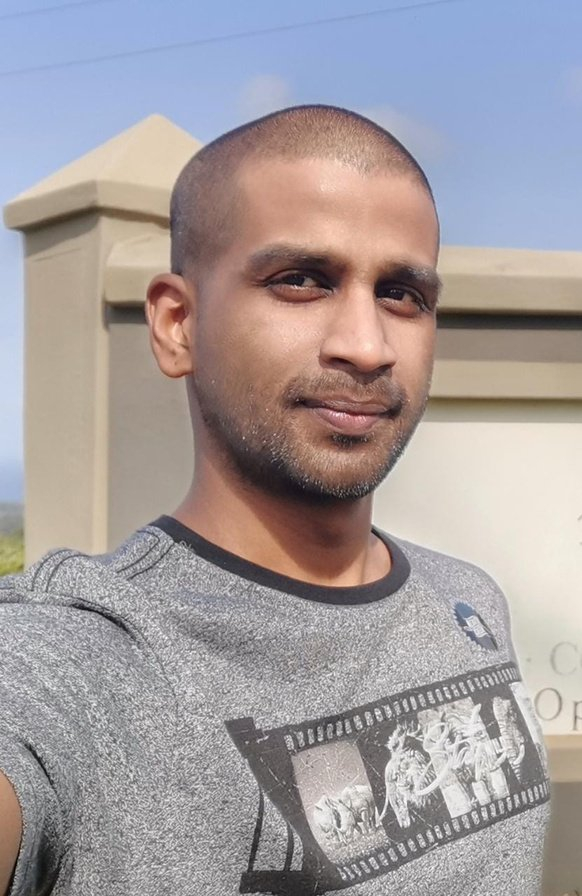
dominic naidoo
By Matome Aphane, Mpumalanga
heritage, indian, kwa-zulu natal, nyri network
On the Ambassador’s Corner Heritage Edition Dominic Naidoo from KwaZulu Natal shared with us his views about Heritage. Dominic believes Youth should be educated about heritage as it will give them a sense of pride and belongings. He further said “putting meat on fire” activity is an insult to our ancestors and all that they fought for, his views about Braai Day. Let’s read all his views and comments about heritage as he answered a few questions.
What does Heritage Day mean to you?
Heritage, to me, means remembering where I came from as a South African Indian. It helps me understand the things which my ancestors did in order to provide a stable foundation for me to build on. Learning and commemorating aspects of my Indian heritage allows me to impart this knowledge onto others, especially youth, of South African Indian descent. Learning more about where we came from and how we got here will help us understand the sacrifices made by our grandparents and their grandparents. Heritage gives us something to be proud of, it provides a sense of belonging, of family, of hope. Educating the youth today about our heritage and where we came from will give them a sense of pride and belonging in a world where culture, traditions and stories are easily lost.
The session brought clarity on what is expected of us, what initiative aims to achieve and the future of the first cohort which is us. The presentation also taught me the framework that develops to give theoretical grounding of youth resilience in South Africa, the research will also inform the development of an Amplifier program that will be continued by ambassadors throughout and beyond. I am so glad that after our cohort ends, we won’t be forgotten, which is rare. The organizations intend to equip youth with skills then abandon them. One thing I like and enjoy about this initiative, Ambassadors are given a platform to be policy makers of this initiative. The GIZ round table discussion was a great platform of learning, brainstorming ideas and expressing concerns.
keaiketse vincent goitsemodimo
By Matome Aphane, Mpumalanga
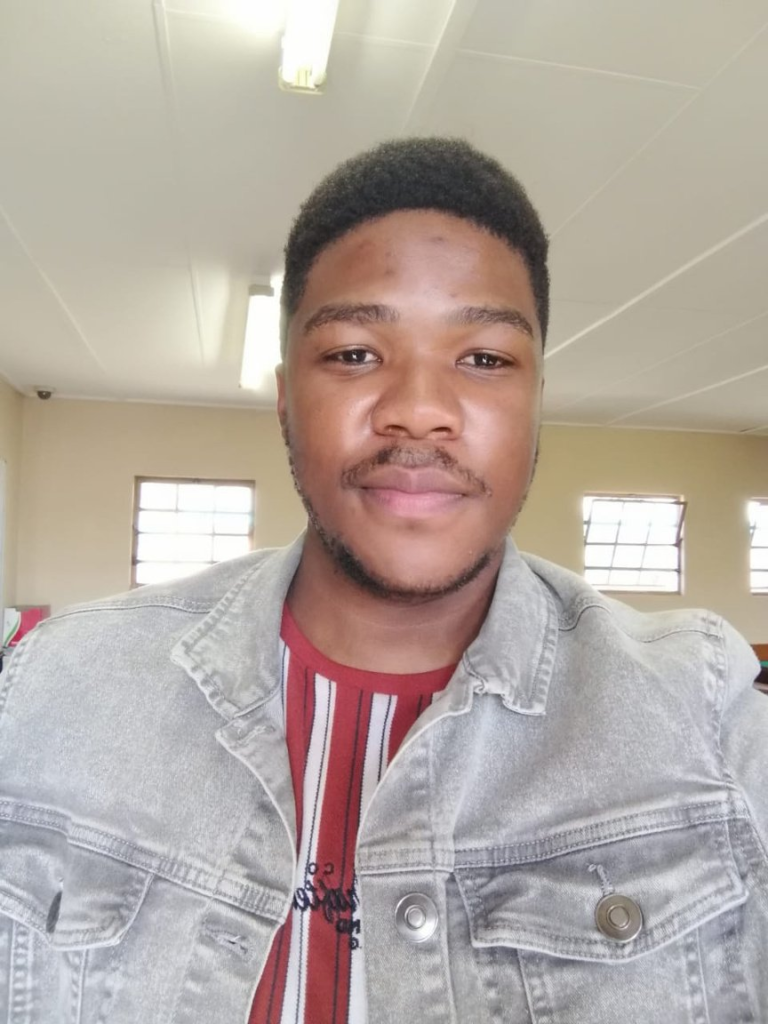
Ambassador Corner is a platform where NYRI Ambassadors express and reflect about different issues and activities attended. In this edition, we get to know Keaiketse Vincent Goitsemodimo from Bokone Bophirima (North West) about his views on heritage where he said he enjoys attending traditional ceremonies and he loves traditional food. Let’s read all about it when he answered a few questions.
What does Heritage day mean to you?
It’s a commemoration of one’s culture/ethnicity . Acknowledging one’s individuality in a diverse country like South Africa.
How do you celebrate Heritage day?
Celebrate my heritage by dressing up in Tswana attire, eating bogobe, mogodu and sometimes drinking traditional beer depending on where I am. Otherwise, pap and meat usually do
How do you feel about Braai day?
It’s a good setting to socialize, learn and enjoy time with others. I love it.
Do you wear traditional regalia? How do you embrace your heritage?
Yes, by wearing traditional regalia and eating exotic foods, I sometimes attend ceremonies where there is traditional dancing and poetry/clan praise as well as good traditional music.
the scorched side of braai day
By Fatima Hoosain, Western Cape
Historical, colonisation,significant figures.
Dive into the history of the popular term Braai Day and how it changes the significance of african history...
September 24th is well known and celebrated as Heritage day and more recently as ‘Braai Day’ but before 1996 this day was significant in a different way. Before the new South African government had dedicated the day to all heritage and culture that resides within the country, the day was known as Shaka Day which is a significant commemoration for King Shaka Zulu where members of the Zulu clan mourn and celebrate his memory. King Shaka Zulu played a pivotal role in KwaZulu-Natal by uniting Zulu clans into one cohesive nation.
In its effort to be an inclusive nation the South African government transformed the day into a day of celebration for all cultures, clans and ethnic groups, however we find that this appreciation is beginning to fade as the day has become more commercialised and rebranded as “Braai Day”. Many ambassadors acknowledge the value in families coming together and enjoying a meal together however it is imperative for us to critically analyse and discuss history of September 24th and its significance as we attempt to decolonise Africa. An important question to ask is, does “Braai Day” depreciate the significance of Heritage day and its history? “Braai day” was started by a man named Jan Scannel, from Stellenbosch, who states that there is nothing more south african than lighting a fire and cooking a meal, personally I beg to differ. South Africa is rich with diversity however there is so much more that unites us.

national youth dialogue – actions for impact
The NYRI Ambassadors’ National Youth Dialogue – Actions for Impact is a youth-led showcasing event over two days to highlight Actions for Impact for more resilient futures.
The journey to the National Dialogue has involved the ambassadors working in Thematic Groups and undertaking a series of project-oriented processes. Each group has gone through a problem identification and analysis phase from which they have formulated an action-outcome to address the problem.
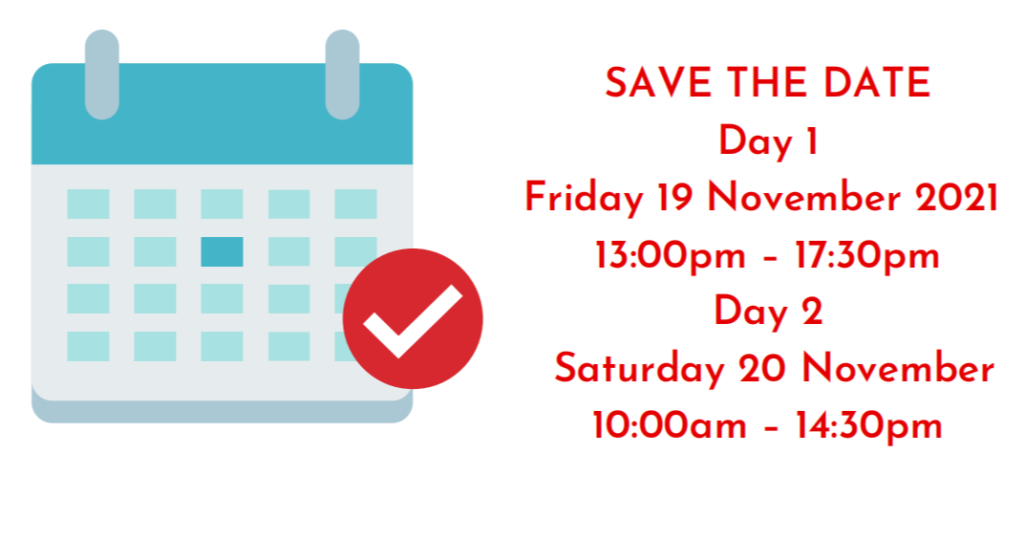

Over the two days of the National Youth Dialogue, the ambassadors will share this journey and put into the national stakeholder landscape their actions. Participants and stakeholders will have the opportunity to engage with each group of ambassadors through Q&A sessions and where possible, government or other stakeholders will be given an opportunity to pledge their support to enable the ambassadors to impact through solutions-based outcomes.
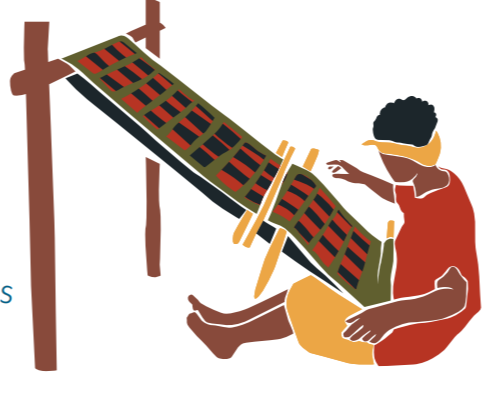
It is highly relevant, we have also adopted mixed cultural identities over the years. We still carry out common practices of our own cultures which are richly instilled in us, without a preserved culture we will ultimately lose ourselves and lose a greater understanding of our own behaviours and actions then lose connections with people because they may struggle to identify us and fail to understand our behaviours and avoid interacting with us. This is due to a lack of understanding so some people build up walls of avoidance then create false perceptions about you because of what they have seen or heard. Cultural preservation will help people gain an opportunity to learn about different cultures and open possibilities for better social interactions.
‘’The fact that we still continue to observe our cultural practices highlights the importance of culture as these traditional practices have become more than a set of movements to be performed on specific occasions. They have become meaningful actions that are irreplaceable in the modern world, so there’s no doubt that culture is still relevant today.”
Culture and nation building
By Palesaentle Ramonyalioa, Free State
We explore how culture influences nation building and the relevance of culture in today’s society.
culture, influence, nation building
CULTURE INSPIRES UNITY, INFLUENCES IDENTITY DEBATE AND DIALOGUE WHICH IS IMPORTANT FOR NATION-BUILDING, PEACE, AND RECONCILIATION. MOREOVER, IT INSPIRES CHANGE, GROWTH, AND STABILITY.
Culture is somewhat relevant as it restores some sense of belonging, it teaches Ubuntu. Nation-building speaks to driving meaningful change for the betterment of all citizens, the influence of culture in Nation-building strengthens unity in diversity, coherence, functionality, collaboration as well as social cohesion. It allows one to know their roots, where they come from, and how they perceive the world.
The relevance of culture in today’s society has been seen in a different prism as times have evolved. What is more painful is how some young people seem to be so ignorant about their culture, they don’t honour it or even care to explore it. Perhaps they were born in families that didn’t honour culture. They demonize their forefathers; they curse the source of their lineage that gave them identity.
NYRI Newsletter 2021 – issue 003
I owe my being to the hills and the valleys, the mountains and the glades, the rivers, the deserts, the trees, the flowers, the seas and the ever-changing seasons that define the face of our native land. My body has frozen in our frosts and in our latter day snows. It has thawed in the warmth of our sunshine and melted in the heat of the midday sun.
The crack and the rumble of the summer thunders, lashed by startling lightening, have been a cause both of trembling and of hope. The fragrances of nature have been as pleasant to us as the sight of the wild blooms of the citizens of the veld.
The dramatic shapes of the Drakensberg, the soil-coloured waters of the Lekoa, iGqili noThukela, and the sands of the Kgalagadi, have all been panels of the set on the natural stage on which we act out the foolish deeds of the theatre of our day. At times, and in fear, I have wondered whether I should concede equal citizenship of our country to the leopard and the lion, the elephant and the springbok, the hyena, the black mamba and the pestilential mosquito.
A human presence among all these, a feature on the face of our native land thus defined, I know that none dare challenge me when I say – I am an African! I owe my being to the Khoi and the San whose desolate souls haunt the great expanses of the beautiful Cape they who fell victim to the most merciless genocide our native land has ever seen, they who were the first to lose their lives in the struggle to defend our freedom and dependence and they who, as a people, perished in the result.
Today, as a country, we keep an audible silence about these ancestors of the generations that live, fearful to admit the horror of a former deed,seeking to obliterate from our memories a cruel occurrence which, in its remembering, should teach us not and never to be inhuman again. I am formed of the migrants who left Europe to find a new home on our native land
Whatever their own actions, they remain still, part of me. In my veins courses the blood of the Malay slaves who came from the East. Their proud dignity informs my bearing, their culture a part of my essence.
The stripes they bore on their bodies from the lash of the slave master are a reminder embossed on my consciousness of what should not be done.
I am the grandchild of the warrior men and women that Hintsa and Sekhukhune led, the patriots that Cetshwayo and Mphephu took to battle, the soldiers Moshoeshoe and Ngungunyane taught never to dishonour the cause of freedom.
My mind and my knowledge of myself is formed by the victories that are the jewels in our African crown, the victories we earned from Isandhlwana to Khartoum, as Ethiopians and as the Ashanti of Ghana, as the Berbers of the desert.
I am the grandchild who lays fresh flowers on the Boer graves at St Helena and the Bahamas, who sees in the mind’s eye and suffers the suffering of a simple peasant folk, death, concentration camps, destroyed homesteads, a dream in ruins. I am the child of Nongqause.
I am he who made it possible to trade in the world markets in diamonds, in gold, in the same food for which my stomach yearns. I come of those who were transported from India and China, whose being resided in the fact, solely, that they were able to provide physical labour, who taught me that we could both be at home and be foreign, who taught me that human existence itself demanded that freedom was a necessary condition for that human existence.
Being part of all these people, and in the knowledge that none dare contest that assertion, I shall claim that –
I am an African. Today it feels good to be an African
-By Thabo Mbeki